PolyChem

PolyChem
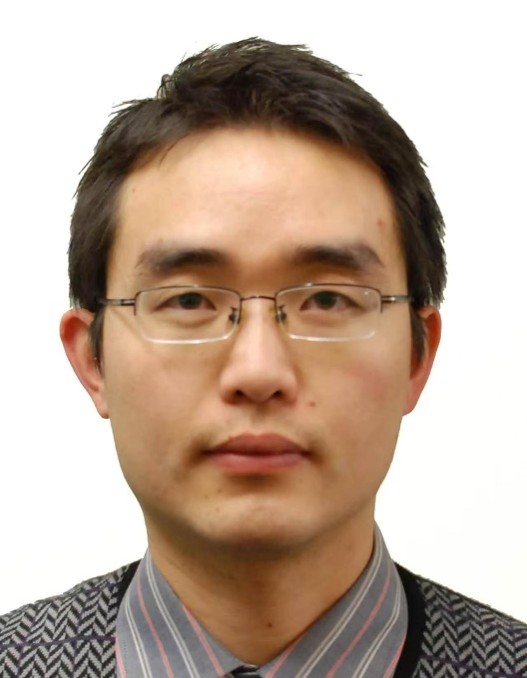 Kai Zhang
AimsPolyChem aims to establish a leading academic platform for cutting-edge research in polymer chemistry and to develop a high-level journal focusing on novel polymer and polymer-based composite mat...
Aims
PolyChem aims to establish a leading academic platform for cutting-edge research in polymer chemistry and to develop a high-level journal focusing on novel polymer and polymer-based composite materials. The journal is dedicated to publishing transformative research that bridges fundamental polymer chemistry with advanced materials engineering to address pressing global challenges. PolyChem seeks to pioneer scientific frontiers in polymer design and sustainable chemistry, foster interdisciplinary integration across chemistry, engineering, and materials science, and support strategic advancements in high-performance composites, green materials, and bio-inspired polymer systems.
Scope
PolyChem publishes cutting-edge research and critical perspectives spanning the full spectrum of polymer chemistry, from molecular design and synthesis to sustainable polymer chemistry and advanced functional applications. The journal particularly welcomes studies in which innovative polymer chemistry serves as the central driving force for achieving new properties, functionalities, or application paradigms.
The scope of PolyChem includes, but is not limited to, the following areas:
1. Design and Polymerization of Functional Polymers
Novel synthetic strategies (e.g., precision polymerization, catalytic methods, multi-component reactions) for creating polymers with tailored architectures and functionalities
Design and synthesis of smart, responsive (e.g., to stimuli such as light, heat, pH, or biological signals), and multi-functional polymers
Chemistry for advanced polymer architectures: sequence-controlled polymers, supramolecular polymers, and hybrid organic-inorganic systems
2. Sustainable and Green Polymer Chemistry
Polymers derived from renewable resources, waste valorization, and CO2 utilization
Development of biodegradable, recyclable, and chemically recyclable polymer systems
Eco-friendly polymerization processes, green solvents, and energy-efficient catalytic cycles
Sustainability, life-cycle assessment, and circular economy principles of polymer systems
3. Theoretical and Computational Polymer Chemistry
Multiscale modeling and simulation approaches to predict polymerization mechanisms, polymer properties, and structure-property relationships
AI-driven design and discovery of new monomers, catalysts, and polymeric materials
Computational studies on the environmental fate, degradation pathways, and sustainability of polymers
4. Biomimetic and Bioinspired Polymer Chemistry
Synthesis, modification, and characterization of polymers derived from or interfacing with biological systems (e.g., peptides, nucleic acids, polysaccharides)
Bio-catalysis and enzymatic polymerization
Polymer chemistry underlying biomimetic and biohybrid materials, including polymers for drug delivery, tissue engineering, regenerative medicine, and bioelectronics
5. Chemistry-Enabled Functional Polymer Materials and Composites
Molecular-level design of polymer matrices, interfacial modifiers, and compatibilizers for high-performance and multifunctional composites
Polymer chemistry approaches that enable or enhance advanced manufacturing, including 3D printing, in situ polymerization, and directed self-assembly
Chemically engineered polymers and composites for applications in energy storage and conversion, environmental remediation, catalysis, and information technology
Society affiliation
Qingdao University of Science and Technology(QUST) originated as the Shenyang Advanced Vocational School in 1950 and was renamed Qingdao University of Science and Technology in 2002. At present, it has five campuses and one base of education, research, and industry integration. The university currently enrolls over 38,000 students, covering underg...
Qingdao University of Science and Technology(QUST)
originated as the Shenyang Advanced Vocational School in 1950 and was renamed Qingdao University of Science and Technology in 2002. At present, it has five campuses and one base of education, research, and industry integration.
The university currently enrolls over 38,000 students, covering undergraduate, master’s, and doctoral degree levels. QUST has a professional staff of over 2,800 including more than 180 high-level researchers such as academicians, National Distinguished Young Scholars, National Outstanding Young Scholars, and The Yangtze River Scholars. QUST has 8 majors authorized to offer PhD degrees, 5 postdoctoral research departments, master’s academic degree programs under 24 first level subjects and master’s professional degree programs under 18 subjects. Now it has established several distinctive disciplines covering Materials Science and Engineering, Chemical Engineering, Chemistry, Electromechanical Engineering, Information Science and Technology, etc. Notably, 6 disciplines have entered the top 1% of the global Essential Science Indicators (ESI). In particular, Chemistry has entered the top 1‰ in the global ESI discipline ranking.
QUST has won 15 national-level scientific and technological awards. It has 14 national scientific research and innovation platforms to patent, publish and disseminate the result of scientific research. So far, 9 companies have been listed with technical support from QUST.
In alignment with “The Belt and Road” Initiative, QUST has established partnerships with 147 overseas universities from 25 countries and regions. It has been approved to establish 1 Chinese-foreign cooperative educational institution and 7 Chinese-foreign cooperatively-run educational projects, thus creating a multi-level pattern of international education across disciplines such as science, engineering, and arts. The Chinese-German Technical College (CDTF in German), founded by QUST (China) and University of Paderborn (Germany) has been included in the cooperation project between the governments of China and Germany. Sino-Thai International Rubber College (STIRC), launched and co-established by Prince of Songkla University (Thailand) and QUST (China), is the first overseas institution in Shandong Province focusing on science and technology.
Based on the current situation of higher education in China, QUST integrates the world's advanced educational concepts, emphasizing the cultivation of students' innovative consciousness and abilities. QUST is committed to establishing international scientific research platforms, enhancing academic exchanges through annual student and faculty exchanges, and strengthening joint student cultivation and high-level scientific research programs with overseas universities. The university warmly welcomes outstanding international students from around the world to collaborate, promote cultural integration, and contribute to the ongoing enhancement of the "Study Abroad in QUST" brand.
QUST prioritizes intercommunication, a global perspective, innovative awareness, and access to quality educational resources. In this dynamic era of opportunity, QUST eagerly anticipates further communication and cooperation with international partners, aspiring to make greater contributions to the construction of a community with a shared future for mankind.